
5 Types of Wall Cracks: Causes, Solutions and Prevention Tips
Wall cracks are one of the most common problems faced by homeowners, builders and property owners. Whether it is a small hairline crack or a deep crack across a wall, ignoring the problem can lead to moisture penetration, damaged paint and costly repairs.
Understanding the different types of wall cracks and their causes is essential for choosing the right repair solution. With proper surface preparation and suitable crack-filling products like Lock-N-Seal Crack-O-Seal, you can repair appropriate non-structural cracks and maintain a smooth wall finish.
What Causes Cracks in Walls?
Wall cracks can develop due to several reasons, including environmental conditions, construction practices and moisture-related problems.
Some common causes include:
- Temperature fluctuations and thermal expansion
- Shrinkage of plaster and concrete
- Poor-quality construction materials
- Improper curing during construction
- Water seepage and excessive moisture
- Foundation settlement and structural movement
Identifying the actual cause is the first step towards effective wall crack repair.
5 Common Types of Wall Cracks and Their Solutions
1. Hairline Cracks
Hairline cracks are thin, fine cracks that commonly appear on plastered or painted surfaces. They often develop due to plaster shrinkage, rapid drying or temperature variations.
Solution: Clean the affected surface and apply a suitable crack filler. Once the filler has cured, finish the surface with compatible paint.
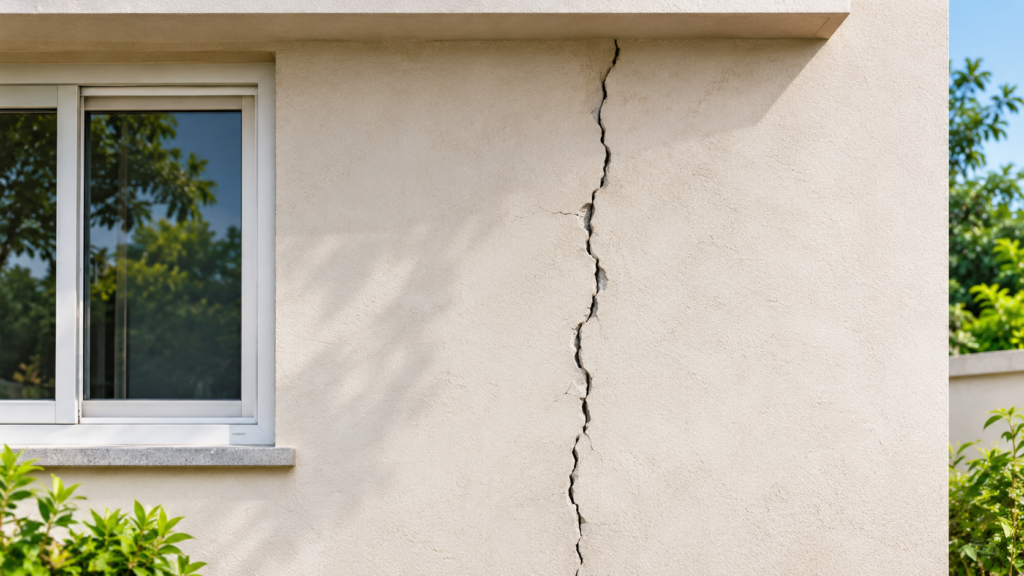
2. Vertical Cracks
Vertical cracks run from top to bottom and may appear due to material shrinkage, thermal movement or foundation settlement.
Solution: Small, stable and non-structural vertical cracks can be repaired using a compatible crack filler. Deep or widening cracks should be inspected by a structural engineer.
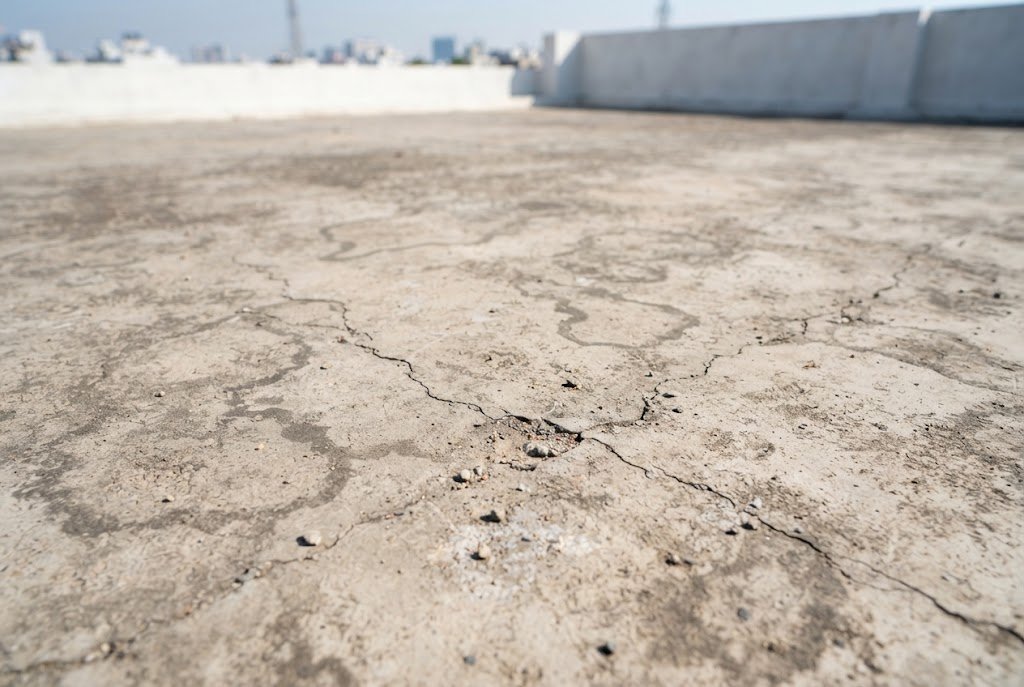
3. Horizontal Cracks
Horizontal cracks run across the wall and may develop due to structural pressure, moisture damage or excessive movement.
Solution: Identify the underlying cause before starting repairs. Horizontal cracks associated with wall bulging or structural movement require professional assessment.
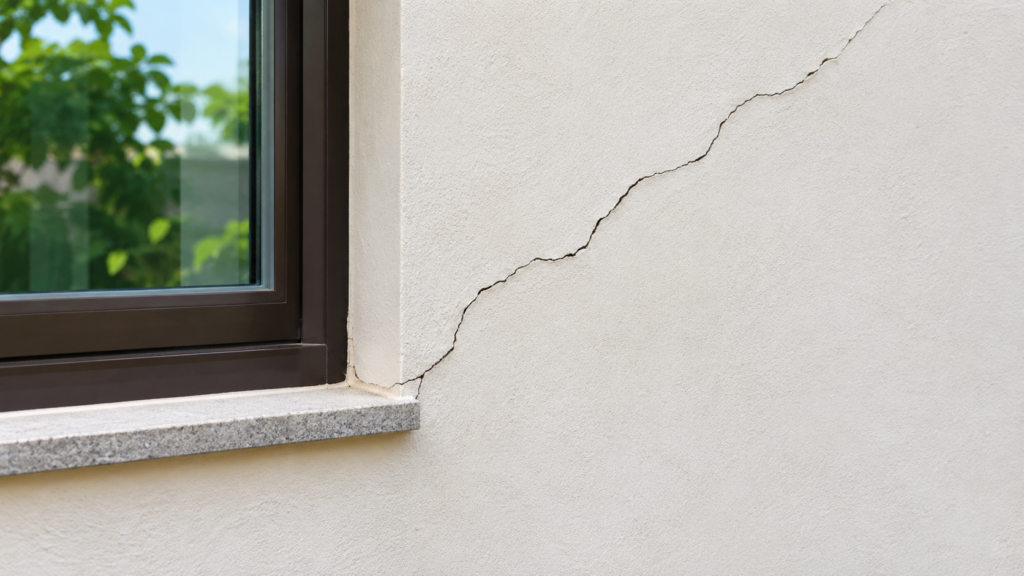
4. Diagonal Cracks
Diagonal cracks often appear near doors, windows and wall corners. They may indicate uneven foundation settlement or stress within the building.
Solution: Seek professional assessment for significant diagonal cracks. Minor, stable surface cracks may be repaired with an appropriate crack-filling compound after the underlying cause has been addressed.
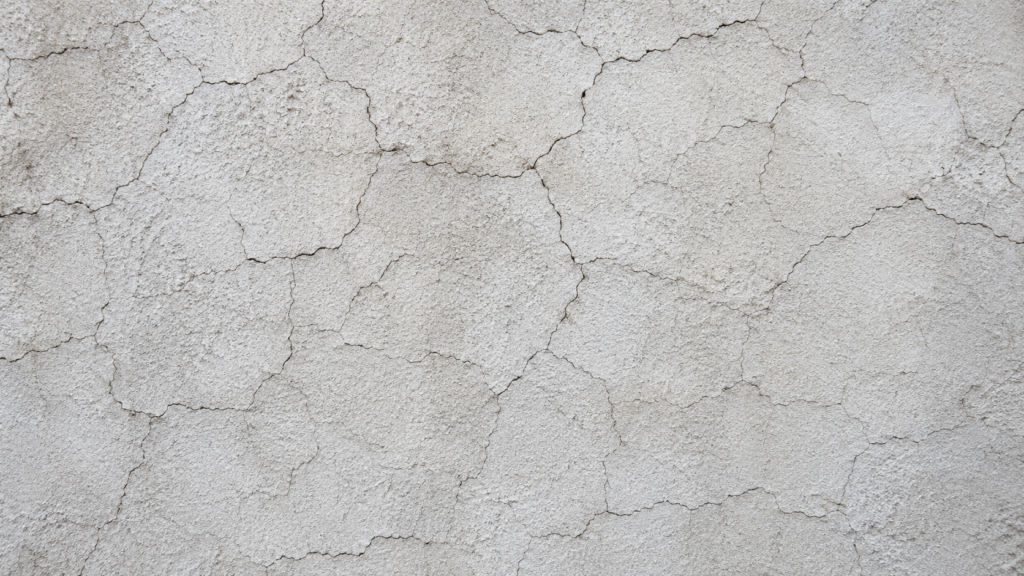
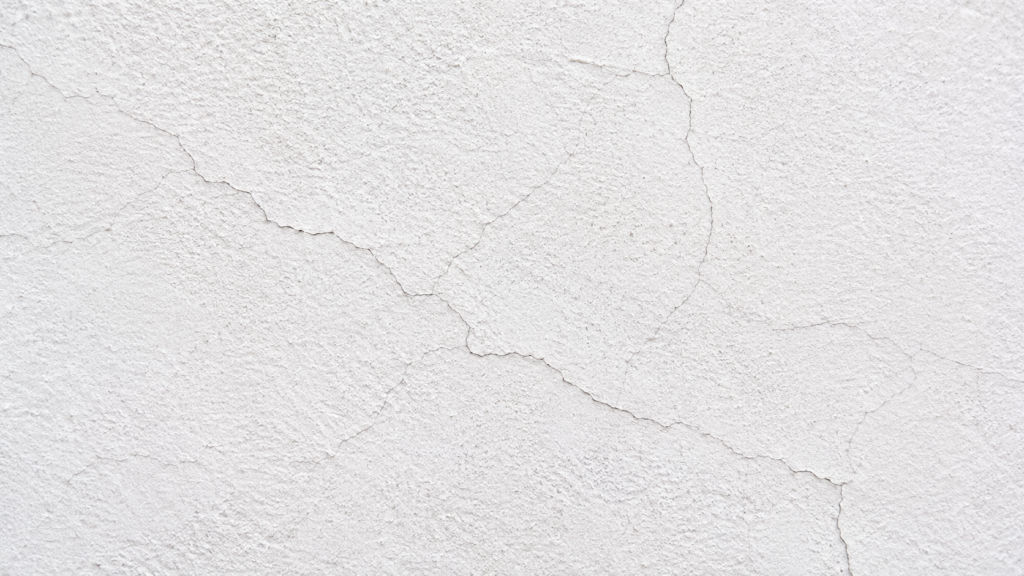
5. Map or Crazing Cracks
Map cracks appear as a network of small, interconnected cracks on plastered or concrete surfaces. They commonly develop due to rapid drying, improper curing or excessive shrinkage.
Solution: Remove loose material, prepare the surface and use a suitable surface repair compound or compatible crack filler, depending on the extent of the damage.
Why Should You Repair Wall Cracks Early?
Even small surface cracks should not be ignored. Timely repair can help:
- Reduce moisture penetration through surface cracks.
- Prevent further deterioration of plaster.
- Maintain a smooth and attractive wall finish.
- Reduce recurring paint damage.
- Minimise future maintenance costs.
Early identification and appropriate treatment can help protect your property from avoidable damage.
Lock-N-Seal Crack-O-Seal: A Smart Solution for Wall Crack Repair
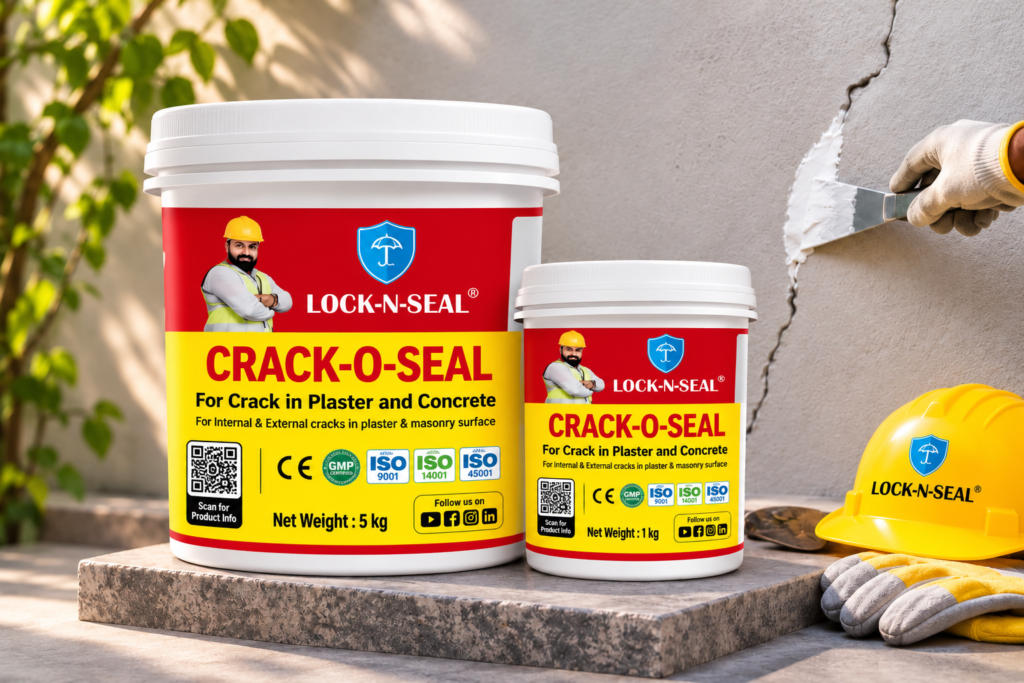
Lock-N-Seal Crack-O-Seal is a crack-filling solution for suitable non-structural wall cracks. It helps restore damaged surfaces and prepare walls for further finishing.
Key Benefits
- Helps fill suitable surface cracks.
- Supports a smooth wall finish.
- Helps reduce moisture entry through repaired cracks.
- Convenient solution for wall maintenance.
- Helps prepare repaired surfaces for painting.
Always select the product according to the crack dimensions, substrate and application conditions specified in the product instructions.
How to Repair Wall Cracks Using Crack-O-Seal
Step 1: Inspect the Crack
Identify the type, size and cause of the crack. Ensure that it is suitable for non-structural crack repair.
Step 2: Prepare the Surface
Remove dust, loose plaster, paint and other contaminants from the affected area.
Step 3: Apply the Crack Filler
Apply Lock-N-Seal Crack-O-Seal using a suitable application tool, following the manufacturer’s instructions.
Step 4: Smooth the Surface
Level the applied material and remove excess filler to achieve an even finish.
Step 5: Allow Proper Curing
Allow the material to cure as recommended before applying any compatible paint or finishing coat.
Tips to Prevent Wall Cracks
Preventive maintenance is essential for maintaining the appearance and condition of your walls.
- Use good-quality construction materials.
- Ensure proper curing during construction.
- Protect walls from excessive moisture and seepage.
- Use appropriate waterproofing solutions in moisture-prone areas.
- Inspect walls regularly for early signs of cracking.
- Repair minor surface cracks before they deteriorate further.
Conclusion
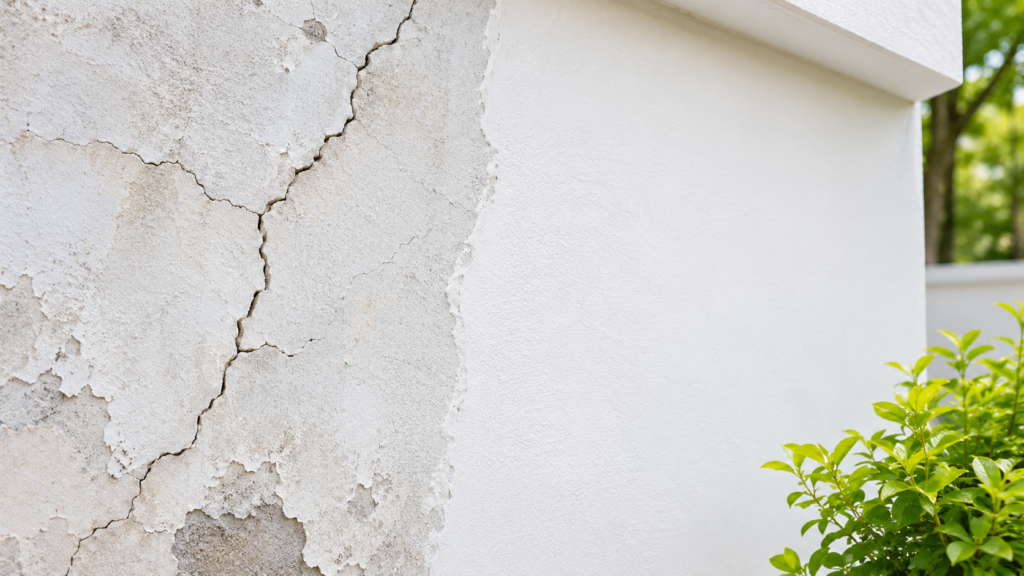
Wall cracks can affect the appearance and condition of your property. Understanding their causes and choosing the right repair method can help prevent unnecessary damage and maintenance expenses.
With Lock-N-Seal Crack-O-Seal, you can take a proactive approach to repairing suitable non-structural wall cracks and maintaining a smooth, well-finished surface.
Repair Today. Protect Tomorrow.
Explore professional waterproofing and crack repair solutions at www.locknseal.in.
Hairline cracks are often cosmetic and caused by plaster shrinkage. However, cracks that continue to widen or appear alongside other signs of structural movement should be professionally inspected.
Yes. Cracks can provide pathways for moisture penetration, particularly on exterior walls exposed to rainfall.
Painting alone does not repair cracks. It is recommended to identify the cause, repair the crack with a suitable filler and allow proper curing before painting.
Lock-N-Seal Crack-O-Seal can be considered for suitable non-structural surface cracks. Always follow the manufacturer’s application guidelines.
No. Structural cracks require professional assessment and appropriate structural repair. Surface crack fillers are not a substitute for structural repairs.
How to Repair Wall Cracks Using Crack-O-Seal
- Step 1: Inspect the Crack
Identify the type, size and cause of the crack. Ensure that it is suitable for non-structural crack repair.
- Step 2: Prepare the Surface
Remove dust, loose plaster, paint and other contaminants from the affected area.
- Step 3: Apply the Crack Filler
Apply Lock-N-Seal Crack-O-Seal using a suitable application tool, following the manufacturer’s instructions.
- Step 4: Smooth the Surface
Level the applied material and remove excess filler to achieve an even finish.
- Step 5: Allow Proper Curing
Allow the material to cure as recommended before applying any compatible paint or finishing coat.