
Introduction
Terrace waterproofing is one of the most critical aspects of home maintenance in India, especially with our intense monsoon seasons and extreme weather conditions. If you’ve ever dealt with water seepage, ceiling stains, or structural damage, you know how important proper waterproofing is. This comprehensive guide will walk you through everything you need to know about terrace waterproofing – from understanding the problem to choosing the right solutions and applying them correctly.
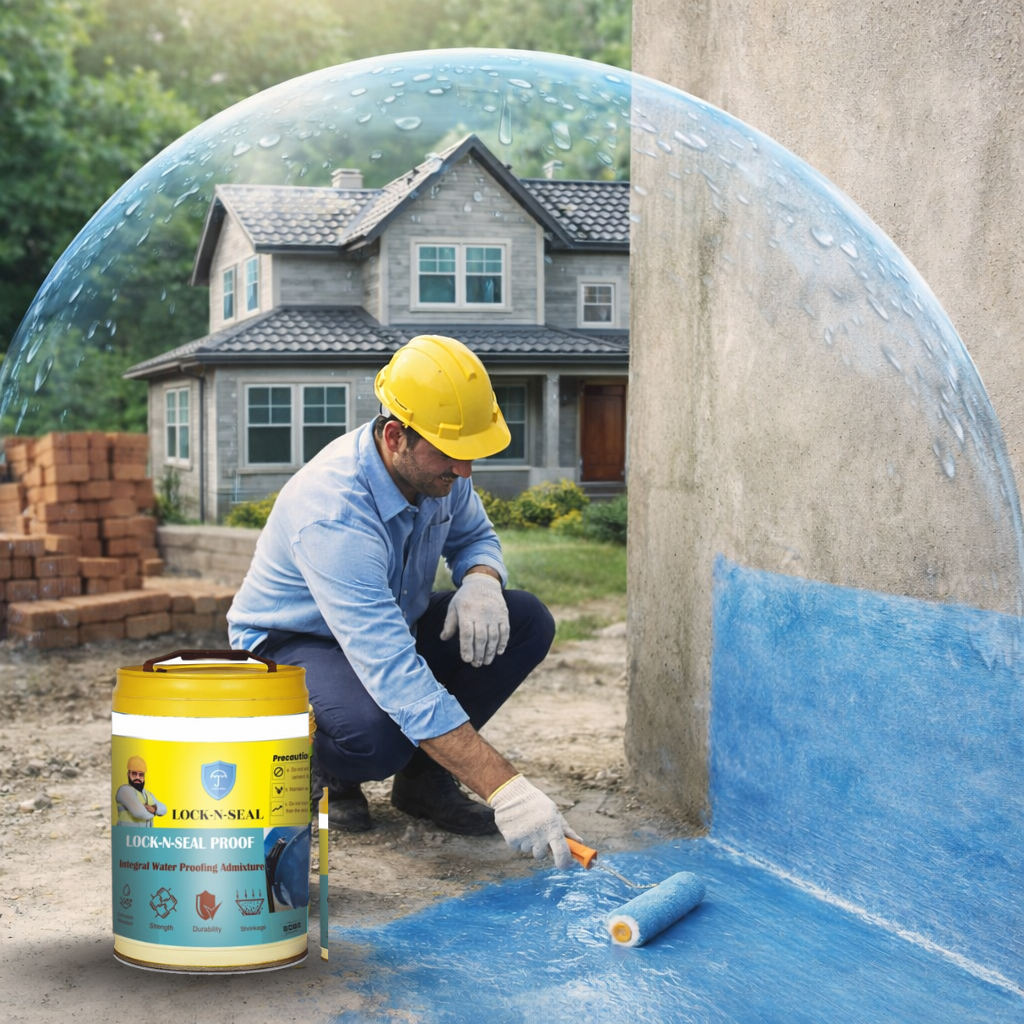
Why Terrace Waterproofing Matters in India
India’s climate poses unique challenges for building maintenance. With annual rainfall ranging from 1,000mm to over 3,000mm in different regions, water damage is a constant threat. Terraces are particularly vulnerable because they’re exposed to:
- Heavy monsoon rains that can last for months
- Extreme temperature variations causing expansion and contraction
- UV radiation that degrades waterproofing materials over time
- Standing water due to poor drainage systems
- Root penetration from plants and vegetation
Without proper waterproofing, these factors lead to serious problems including structural damage, reduced property value, health hazards from mold and dampness, and costly repairs that can run into lakhs of rupees.

Signs Your Terrace Needs Waterproofing
Catching water damage early can save you thousands in repair costs. Watch for these warning signs:
Interior Warning Signs
- Water stains or discoloration on ceiling
- Peeling paint or plaster on walls and ceiling
- Visible cracks in the ceiling or top floor walls
- Musty odor indicating mold growth
- Dampness or moisture on walls
Exterior Warning Signs
- Cracks in the terrace floor
- Water pooling in certain areas
- Algae or moss growth on terrace surface
- Damaged or missing tiles
- Visible damage to existing waterproofing layer
Types of Waterproofing Solutions for Terraces
Choosing the right waterproofing method depends on your terrace condition, budget, and climate. Here are the most effective solutions available in India:
1. Bitumen-Based Waterproofing
Bitumen waterproofing is one of the most traditional and cost-effective methods. It creates a thick, protective layer that prevents water penetration.
Best For: Flat terraces, cost-conscious projects, areas with moderate traffic
Durability: 5-8 years with proper maintenance
Cost: ₹40-80 per sq ft

2. Liquid Waterproofing Membrane
This modern solution involves applying a liquid coating that cures into a seamless, flexible membrane. It’s excellent for complex terrace shapes and areas with many fixtures.
Best For: Terraces with complex layouts, areas with pipes and fixtures, renovation projects
Durability: 8-12 years
Cost: ₹80-150 per sq ft

3. Acrylic-Based Waterproofing
Acrylic waterproofing coatings are flexible, UV-resistant, and easy to apply. They’re particularly popular for residential terraces because they can be applied directly over existing surfaces.
Best For: Accessible terraces, areas with high UV exposure, quick repairs
Durability: 6-10 years
Cost: ₹60-120 per sq ft
4. Polyurethane (PU) Coating
Polyurethane coatings offer superior flexibility and resistance to both UV rays and mechanical damage. They’re ideal for terraces that experience frequent foot traffic.
Best For: High-traffic terraces, areas with extreme weather, premium applications
Durability: 10-15 years
Cost: ₹100-180 per sq ft

Step-by-Step Terrace Waterproofing Application Guide
Proper application is crucial for effective waterproofing. Follow these steps for professional results:
Step 1: Surface Preparation (Most Critical)
Surface preparation determines 70% of your waterproofing success. A poorly prepared surface will cause premature failure.
- Remove all loose material, debris, and vegetation
- Clean the surface thoroughly using water jet or wire brush
- Fill all cracks wider than 2mm with appropriate crack filler
- Remove oil, grease, and any contaminants
- Ensure surface is completely dry before proceeding
Step 2: Crack Repair and Treatment
- Widen hairline cracks to 10-15mm using a chisel or grinder
- Clean cracks thoroughly and remove dust
- Apply primer inside cracks
- Fill with polymer-modified crack filler or epoxy grout
- Allow 24 hours for curing before waterproofing

Step 3: Primer Application
Primer ensures proper adhesion of the waterproofing layer to the substrate.
- Apply primer using brush or roller in thin, even coats
- Pay special attention to corners, edges, and junctions
- Allow primer to dry completely (typically 4-6 hours)
- Apply second coat if recommended by manufacturer
Step 4: Waterproofing Membrane Application
This is the main waterproofing layer. Application method varies by product type:
For Liquid Membranes:
- Apply first coat using brush or roller in one direction
- Allow to dry for 6-8 hours
- Apply second coat perpendicular to first coat
- Minimum 2-3 coats recommended for proper thickness
For Bitumen-Based Systems:
- Heat bitumen sheets using torch (professional required)
- Overlap sheets by 100mm minimum
- Ensure complete adhesion with no air bubbles
- Seal all overlaps and edges properly
Step 5: Protection Layer
- Apply protective screed or tiles over waterproofing
- This protects the waterproofing from UV damage and foot traffic
- Use China mosaic tiles or ceramic tiles for best results
- Ensure proper slope (1:100 minimum) for water drainage
Recommended Lock N Seal Products for Terrace Waterproofing
At Lock N Seal, we offer a comprehensive range of waterproofing solutions specifically designed for Indian climate conditions. Our products are tested for extreme weather and provide long-lasting protection.
For New Construction
- Lock N Seal Liquid Membrane – Flexible, seamless protection
- Lock N Seal Acrylic Coating – UV resistant, easy application
- Lock N Seal Crack Filler – For structural crack treatment
For Repair and Renovation
- Lock N Seal Self-Adhesive Membrane – No heat required, DIY-friendly
- Lock N Seal Bitumen Sheet – Traditional, cost-effective solution
- Lock N Seal Damp Proof Coating – For minor seepage issues
Cost Estimation for Terrace Waterproofing
Understanding costs helps you budget effectively. Here’s a breakdown of typical expenses:
| Service Type | Cost per Sq Ft | 1000 Sq Ft Cost |
| Material Only | ₹40-80 | ₹40,000-80,000 |
| Material + Labor | ₹80-150 | ₹80,000-1,50,000 |
| Complete with Tiling | ₹150-250 | ₹1,50,000-2,50,000 |
Note: Costs vary based on terrace condition, location, and chosen waterproofing system. Premium products like polyurethane coatings will cost more but offer better longevity.
Common Mistakes to Avoid
1. Skipping Surface Preparation
The biggest mistake homeowners make is rushing the preparation phase. Applying waterproofing over a dirty, damaged, or wet surface guarantees failure within months. Always invest time in proper preparation.
2. Using Wrong Products
Not all waterproofing products are suitable for terrace use. Using bathroom waterproofing products on terraces, or choosing products not rated for UV exposure, leads to premature failure.
3. Inadequate Thickness
Applying insufficient coats or too-thin layers compromises protection. Always follow manufacturer’s specifications for thickness and number of coats.
4. Poor Drainage Design
Even the best waterproofing fails if water pools on the terrace. Ensure proper slope (minimum 1:100) and functioning drainage outlets.
5. Ignoring Weather Conditions
Applying waterproofing during rain, extreme heat, or high humidity affects curing and adhesion. Check weather forecasts and plan accordingly.

Maintenance Tips for Long-Lasting Protection
Proper maintenance extends the life of your waterproofing significantly:
- Clean terrace regularly to prevent dirt and debris accumulation
- Inspect for cracks or damage every 6 months
- Clear drainage outlets before and after monsoon
- Repair minor cracks immediately before they worsen
- Avoid puncturing waterproofing layer with heavy objects
- Remove vegetation growing on terrace promptly
- Consider professional inspection every 3-5 years
Frequently Asked Questions
How long does terrace waterproofing last?
With proper application and maintenance, quality waterproofing lasts 8-12 years. Bitumen-based systems typically last 5-8 years, while polyurethane coatings can last 10-15 years. Factors affecting lifespan include climate, maintenance, foot traffic, and product quality.
Can I do terrace waterproofing myself?
Yes, for simple liquid membrane or acrylic coating applications, DIY is possible if you follow instructions carefully. However, bitumen sheet application requires professional expertise and specialized equipment. For best results and warranty coverage, professional installation is recommended.
When is the best time to waterproof a terrace?
The best time is during dry weather, ideally 2-3 months before monsoon season. This allows proper curing and testing before heavy rains. Avoid waterproofing during monsoon, extreme summer heat (above 40°C), or when rain is expected within 48 hours of application.
Do I need to remove old waterproofing before applying new?
It depends on the condition. If the old waterproofing is intact but aged, you can apply a new layer over it after proper cleaning and priming. However, if it’s damaged, peeling, or has multiple layers, complete removal is necessary for proper adhesion and effectiveness.
What’s the difference between waterproofing and damp proofing?
Waterproofing provides complete protection against water penetration under hydrostatic pressure, essential for terraces exposed to standing water. Damp proofing only resists moisture vapor and is suitable for walls. For terraces, always use waterproofing products, not damp-proofing.
How much slope should a terrace have?
A minimum slope of 1:100 (1 cm fall per meter) is required for proper water drainage. For large terraces, a slope of 1:80 is recommended. The slope should direct water towards drainage outlets without creating steep gradients that affect usability.
Can I apply waterproofing over existing tiles?
Yes, but it’s not ideal. The waterproofing will protect from further leakage, but if water has already penetrated beneath tiles, problems may persist. For best results, remove damaged tiles, repair the substrate, apply waterproofing, then re-tile. For minor seepage, over-tile waterproofing can be a temporary solution.
What warranty should I expect?
Reputable contractors typically offer 3-5 year workmanship warranty. Product warranties vary: budget products offer 2-3 years, while premium systems offer 5-10 years. Always get written warranty terms covering both material and application. Note that warranties are void if maintenance is neglected.
How do I choose between different waterproofing systems?
1) Budget – bitumen is economical, polyurethane is premium;
2) Terrace usage – high traffic needs durable coating;
3) Climate – UV exposure requires UV-resistant products;
4) Application complexity – liquid membranes are DIY-friendly, bitumen sheets need professionals;
5) Longevity needs – match warranty period to your requirements. Contact Lock N Seal experts for personalized recommendations.
Conclusion
Terrace waterproofing is not an expense—it’s an investment in your property’s longevity and your family’s comfort. With India’s challenging climate, proper waterproofing protects your home from structural damage, reduces maintenance costs, and maintains property value.
The key to successful waterproofing lies in choosing the right product for your specific needs, following proper application procedures, and maintaining the system regularly. Whether you opt for a budget-friendly bitumen solution or a premium polyurethane coating, quality products and proper application are non-negotiable.
At Lock N Seal, we understand the unique challenges of Indian homes. Our range of waterproofing solutions is specifically formulated for Indian climate conditions, and our expert team is always ready to guide you through the selection and application process.
Don’t wait for the first leak to appear. Preventive waterproofing is always more cost-effective than emergency repairs. Contact Lock N Seal today for a free consultation and protect your home from water damage.
Ready to waterproof your terrace? Contact Lock N Seal for expert advice, quality products, and professional installation services. Visit www.locknseal.in or call us for a free site inspection and quote.
