Introduction
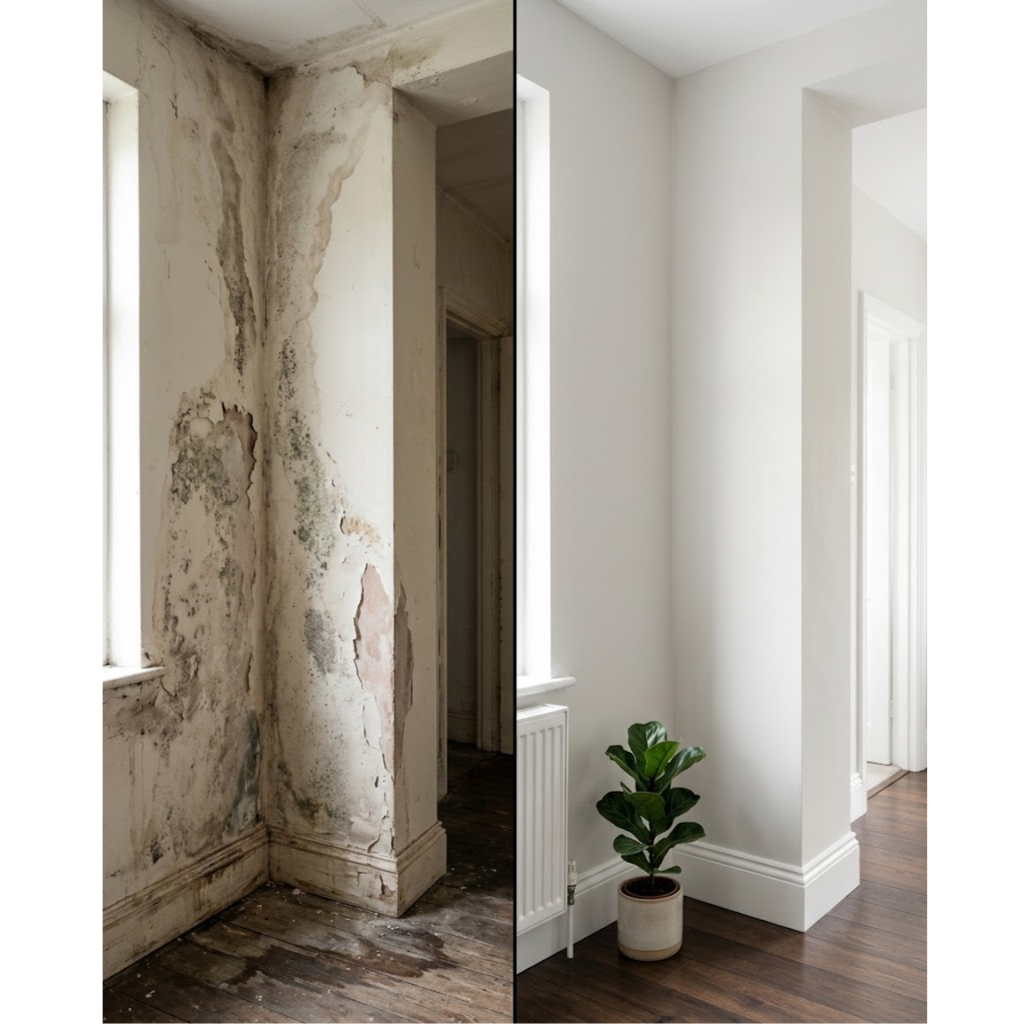
Walk into any Indian home during or right after monsoon, and there’s a good chance you’ll spot it — a patch of discoloured, peeling, or flaking paint on a wall. That’s dampness, and if left untreated, it doesn’t just look bad. It weakens plaster, invites mould and mildew, and can damage electrical wiring hidden inside walls.
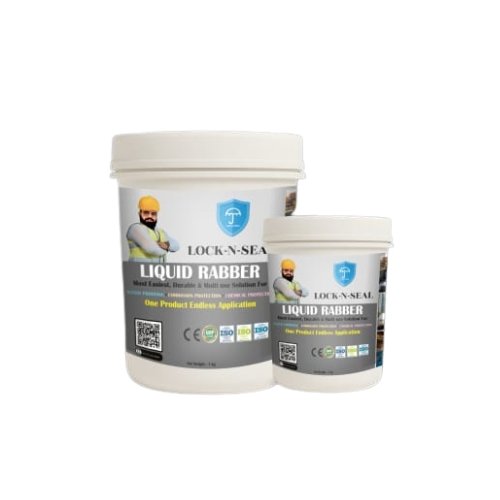
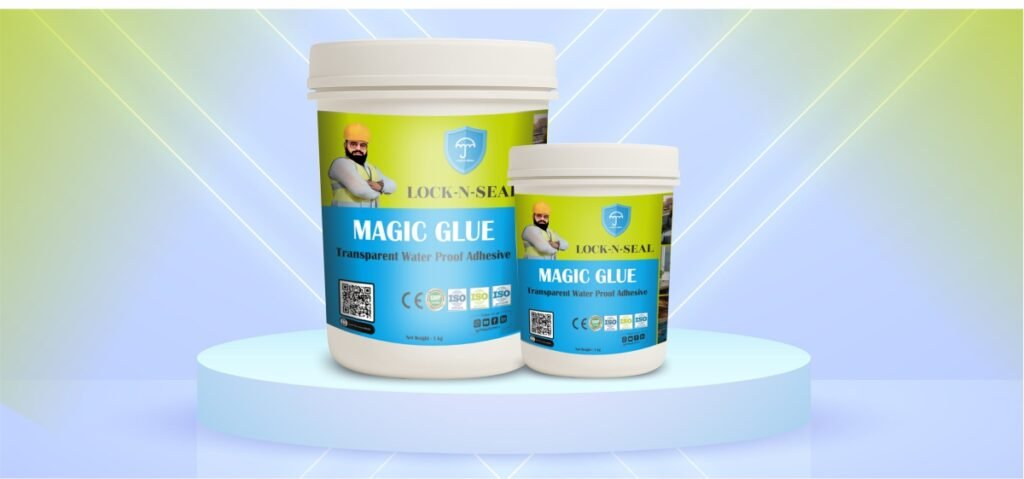
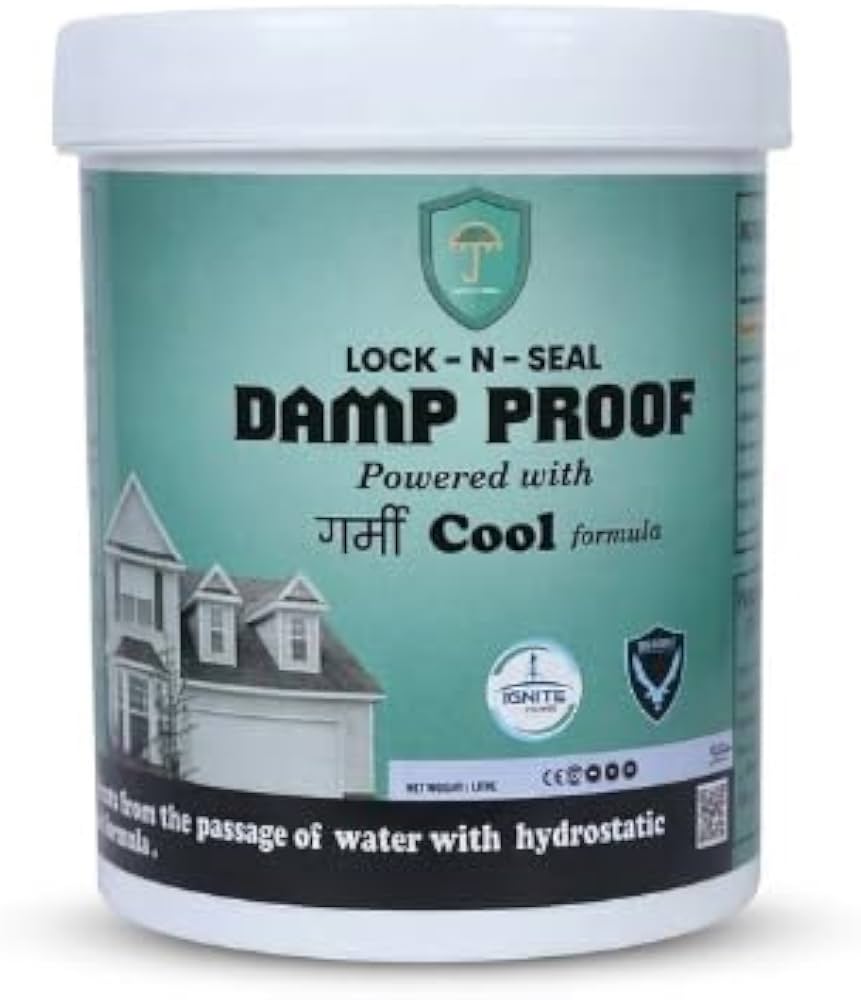
The good news? You don’t need to call in expensive contractors or break open your walls to fix it. Lock-N-Seal Damp Proof is designed exactly for this — a simple, effective waterproofing solution that stops moisture at the source and keeps your walls dry, clean, and protected for years.
What Causes Damp Walls?
Before jumping to the fix, it helps to understand the problem:
- Capillary rising damp — moisture travels upward through porous bricks and concrete from the ground
- Rain seepage — water enters through hairline cracks in exterior walls
- Poor waterproofing during construction — many homes skip proper damp-proofing at the plastering stage
- Bathroom/kitchen wall seepage — water leaks through adjoining wet areas into bedroom or living room walls
Whatever the cause, the outcome is the same — patchy walls, bad odour, and a home that looks older than it is.
Why Choose Lock-N-Seal Damp Proof
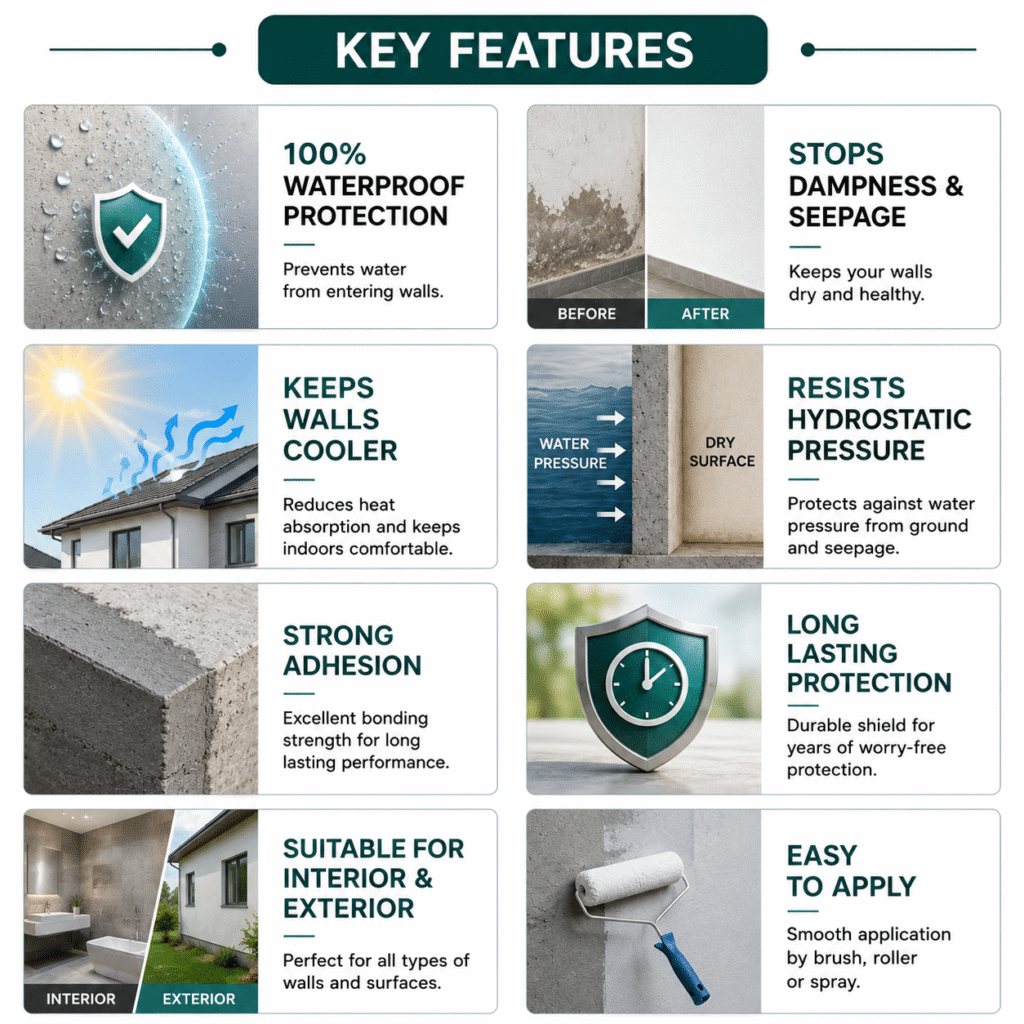
1. Blocks Moisture at the Surface Forms a protective barrier on masonry and concrete surfaces that stops water molecules from penetrating further into the wall.
2. Bridges Hairline Cracks Flexible formulation seals small cracks that are otherwise invisible entry points for water.
3. Interior & Exterior Use Works on both interior damp patches and exterior wall surfaces exposed to rain.
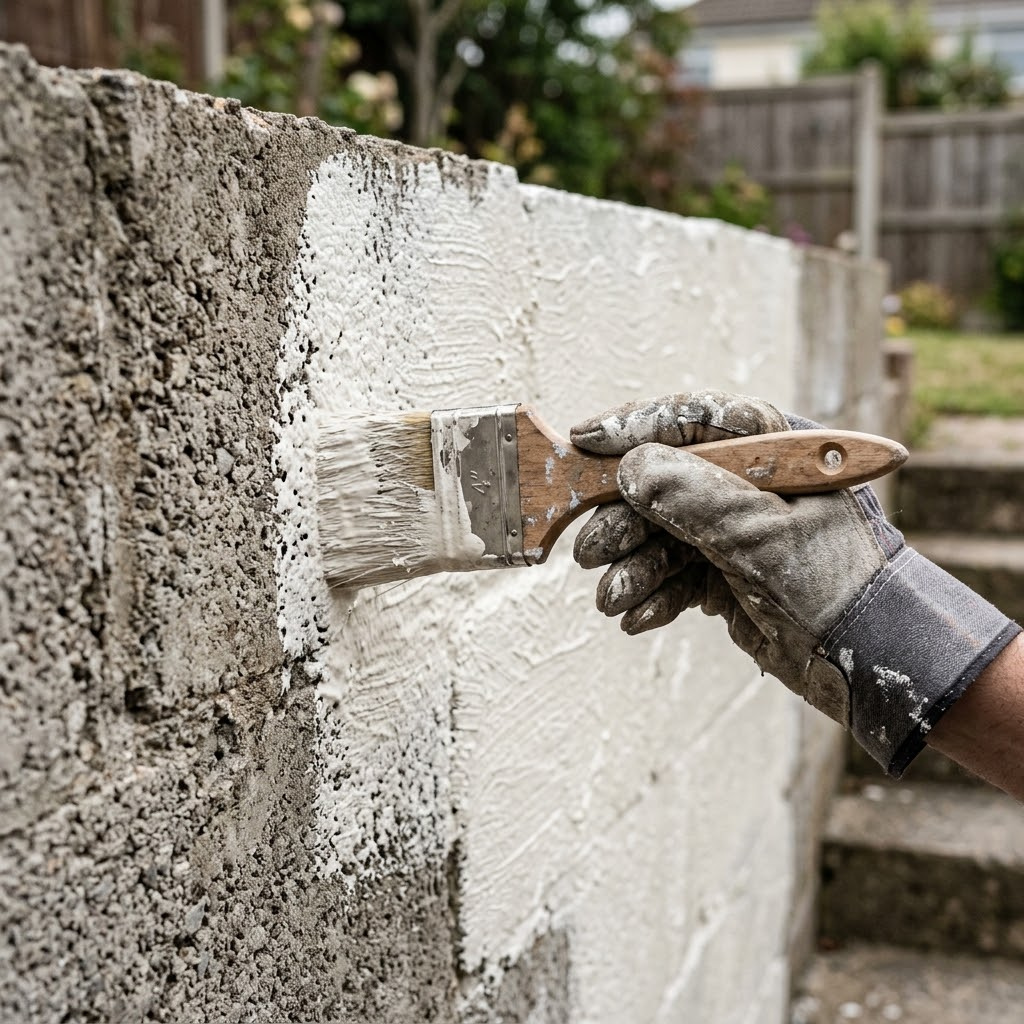
4. Easy DIY Application No specialised equipment needed — can be applied with a brush or roller, making it practical for homeowners and painters alike.
5. Long-Lasting Protection Once cured, it provides durable, weather-resistant protection that holds up through multiple monsoon seasons.
6. Cost-Effective vs Re-plastering Far cheaper than breaking walls and re-plastering — treats the root cause instead of just repainting over the problem.
Where Can You Use It?
- Interior bedroom/living room walls showing damp patches
- Exterior walls facing direct rain exposure
- Walls adjoining bathrooms or kitchens
- Basement and ground-floor walls prone to rising damp
- Boundary walls and compound walls
How to Apply Lock-N-Seal Damp Proof (Simple Steps)
- Clean the surface — remove loose paint, dust, and flaking plaster
- Let it dry — surface should be free of active water leakage before application
- Apply the coating — using a brush or roller, apply an even coat over the affected area
- Let it cure — allow proper drying time as per product instructions
- Repaint if needed — once cured, the wall is ready for a fresh coat of paint
Buy Lock-N-Seal Damp Proof Online
No need to search multiple hardware stores — get it delivered straight to your doorstep.
👉 Buy Lock-N-Seal Damp Proof on Amazon
Protect your walls before the next monsoon hits — order today and say goodbye to damp patches for good.
Frequently Asked Questions
Yes, but for best results, remove loose or flaking paint first so the product bonds directly with the wall surface.
Yes — it works equally well as a preventive treatment on new walls and a corrective treatment on older, damp-affected walls.
Drying and curing time depends on humidity and surface conditions; a light touch-dry typically happens within a few hours, with full curing taking longer.
It treats the root cause by creating a moisture barrier — unlike paint, which only covers the visible patch temporarily.
It’s designed for easy DIY application. However, for large-scale or structural seepage issues, professional application is recommended.