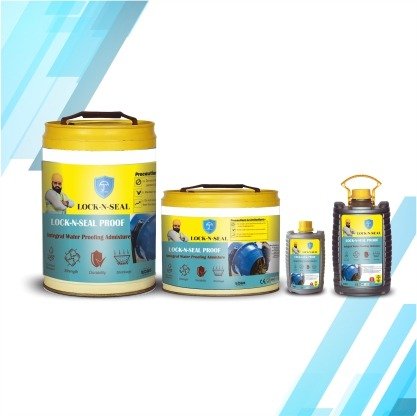
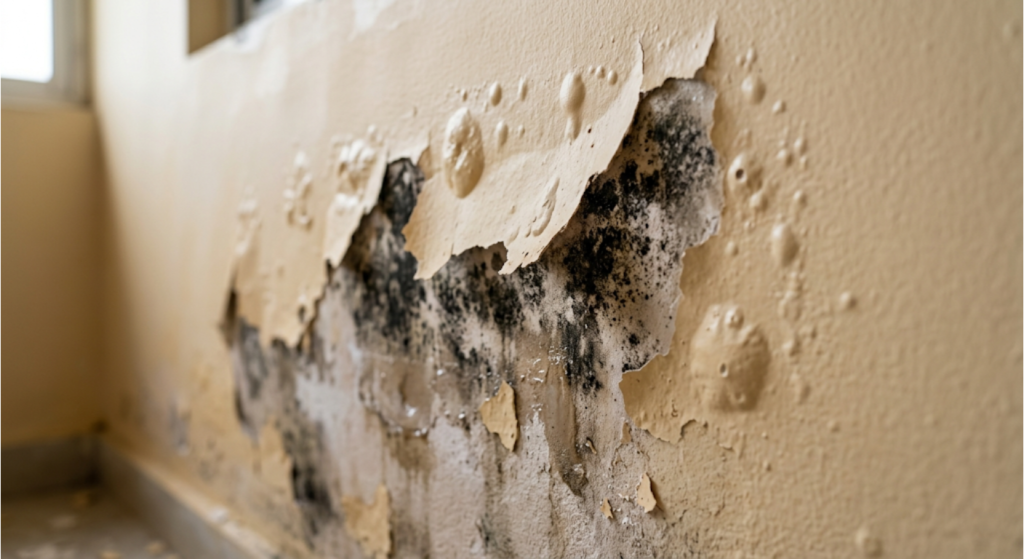
“Ghar Ki Diwaaron Pe Kaali Fungus Kyun Aati Hai? — Cause, Solution aur Prevention Guide”
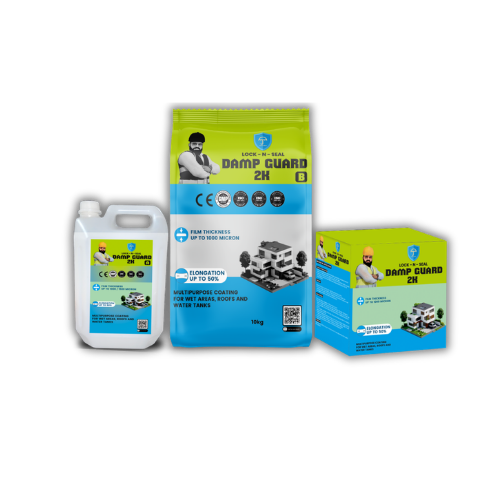
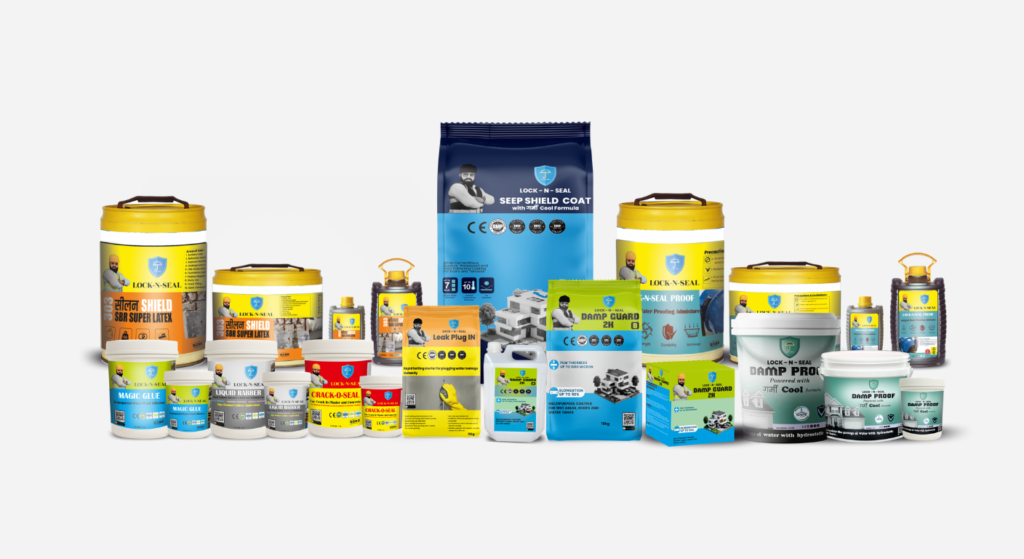
Painting baar baar karwa rahe ho — phir bhi 2-3 mahine mein wahi kaali dhaariyan, wahi fungus wapas aa jaati hai? Toh problem paint mein nahi — kuch aur hai. Yeh Sirf “Ganda Dikhna” Nahi Hai — Yeh Ek Warning Sign Hai Bahut log wall pe fungus ko sirf aesthetic problem samajhte hain aur upar se paint karwa dete hain. Lekin yeh galti baar baar kharcha karwati hai — aur sehat ke liye bhi nukasaandeh hai. Aaj is guide mein hum samjhenge: Fungus Aati Kyun Hai? — 5 Asli Wajahein 1. 💧 Wall ke Andar Moisture / Seepage Sabse badi wajah. Agar wall ke andar paani ya nami hai — chahe roof se aaye, bathroom se aaye, ya bahar ki baarish se — toh wall ka surface kabhi completely dry nahi hota. Nami mein fungus bahut tezi se paida hoti hai. 2. 🏠 Poor Waterproofing Ya Bilkul Nahi Ki Agar ghar banate waqt ya renovation mein waterproofing sahi se nahi ki gayi — toh baarish ka paani slowly wall mein ghusta rehta hai. Bahar se wall bilkul theek dikhti hai — andar se sil rahi hoti hai. 3. 🪟 Ventilation Ki Kami Closed rooms, dark corners, aur kam roshni wali jagahon mein moisture dry nahi hoti. Bathroom, basement aur kitchen ke pass wali walls zyada affected hoti hain. 4. 🎨 Sasta Ya Galat Paint Use Karna Ordinary paint mein anti-fungal properties nahi hoti. Agar wall already damp hai aur upar se regular paint lagayi — toh fungus paint ke neeche bhi badhti rehti hai aur thodi der mein fir bahar aa jaati hai. 5. 🌧️ External Wall Pe Direct Baarish Ka Asar North India mein monsoon ke dौran baarish seedhi walls pe padti hai. Agar bahari wall sealed nahi hai — paani andar ghusta hai, andar ka plaster seel jaata hai, aur fungus shuru ho jaati hai. Sirf Paint Lagane Se Fungus Kyun Nahi Jaati? Yeh sabse common galti hai jo log karte hain. Paint sirf surface cover karti hai. Lekin fungus wall ke andar hoti hai — plaster mein, brickwork mein. Jab tak andar ki nami nahi hati — fungus wapas aati rahegi. Sochiye aise: Agar chhat toot rahi ho toh hum upar se carpet bichaate hain kya? Nahi — pehle chhat theek karte hain. Wahi logic yahan bhi lagta hai. Fungus ka permanent solution = pehle moisture ka source band karo, phir surface treat karo. Health Pe Kya Asar Padta Hai? ⚠️ Wall pe fungus sirf dikhne mein buri nahi lagti — yeh seriously harmful bhi hai: Agar ghar mein bachche, budhurgh ya asthma patient hain — toh fungus ko kabhi ignore mat karo. Lock N Seal Ka Permanent Solution — 2 Steps Mein Step 1: Moisture Ka Source Band Karo — Seep Shield Coat Seep Shield Coat — Lock N Seal ka premium waterproofing solution jo wall ke andar tak penetrate karta hai aur ek strong waterproof barrier banata hai. ✅ External walls ko baarish se protect karta hai ✅ 7 bar tak waterproof pressure resist karta hai ✅ Breathable formula — wall “breathe” kar sakti hai, moisture trap nahi hoti ✅ UV resistant — garmi mein crack nahi karta ✅ Long-lasting protection — saalon tak effective Kahan use karein: External walls, terrace parapet, bathroom walls, balcony Step 2: Andar Se Wall Ko Treat Karo — Damp Guard 2K Agar seepage already andar aa chuki hai — toh Damp Guard 2K use karein. Yeh ek 2-component cementitious waterproofing compound hai jo: ✅ Already damp surfaces pe bhi kaam karta hai ✅ Wall ke pores mein ghus ke seal karta hai ✅ Anti-fungal properties — fungus dobara nahi aati ✅ Paint-ready surface deta hai application ke baad ✅ Interior aur exterior dono ke liye Kahan use karein: Bathroom walls, basement, interior seepage wali walls, wet areas Step-by-Step: Fungus Se Permanently Kaise Chutkara Payein Step 1 — Existing Fungus Saaf Karein Anti-fungal solution ya diluted bleach se wall saaf karein. Brush se fungus scrub karein. Completely dry hone dein (24-48 hours). Step 2 — Damaged Plaster Hatayein Jahan plaster weak, hollow ya crumbling ho — usse chip off karein. Nayi base se shuru karna zaroori hai. Step 3 — Waterproofing Lagaayein Seep Shield Coat (external) ya Damp Guard 2K (internal) apply karein. 2 coats minimum. Proper curing time dein. Step 4 — Repair aur Plaster Waterproofing cure hone ke baad — plaster repair karein aur smooth finish dein. Step 5 — Anti-Fungal Paint Ab anti-fungal primer aur paint lagaayein. Regular paint use mat karein — warna problem wapas aayegi. Prevention Tips — Future Mein Fungus Na Aaye 🔹 Monsoon se pehle bahari walls inspect karein — cracks aur gaps immediately seal karein 🔹 Bathroom aur kitchen mein exhaust fan zaroor lagaayein — moisture bahar nikle 🔹 Kapde andar mat sukhaayein zyada — indoor humidity badh jaati hai 🔹 Furniture walls se thoda door rakhen — air circulation ke liye 🔹 Saal mein ek baar walls check karein — early signs pakad mein aa jaayein 🔹 Quality waterproofing construction ke waqt hi karein — baad mein karna mehenga padta hai Kaun Si Wall Zyada Risk Mein Hoti Hai? Wall Location Risk Level Recommended Solution North/East facing external wall 🔴 High Seep Shield Coat Bathroom adjoining wall 🔴 High Damp Guard 2K Basement walls 🔴 High Damp Guard 2K Terrace/Roof adjoining ceiling 🟠 Medium-High Seep Shield Coat Kitchen walls 🟠 Medium Damp Guard 2K Internal walls, upper floors 🟢 Low Anti-fungal paint enough Frequently Asked Questions (FAQ) Q1. Kya fungus sirf monsoon mein aati hai? Nahi. Fungus saal bhar aa sakti hai — especially jahan constant moisture ho jaise bathroom, basement ya north-facing walls. Monsoon mein problem zyada visible hoti hai. Q2. Ek baar Damp Guard 2K lagane ke baad dobara lagana padega? Quality application aur proper surface prep ke saath Damp Guard 2K kaafi saalon tak effective rehta hai. Annual inspection recommend ki jaati hai. Q3. Kya main yeh products khud laga sakta hoon? Seep Shield Coat DIY-friendly hai — instructions follow karein. Damp Guard 2K ke liye professional