Introduction
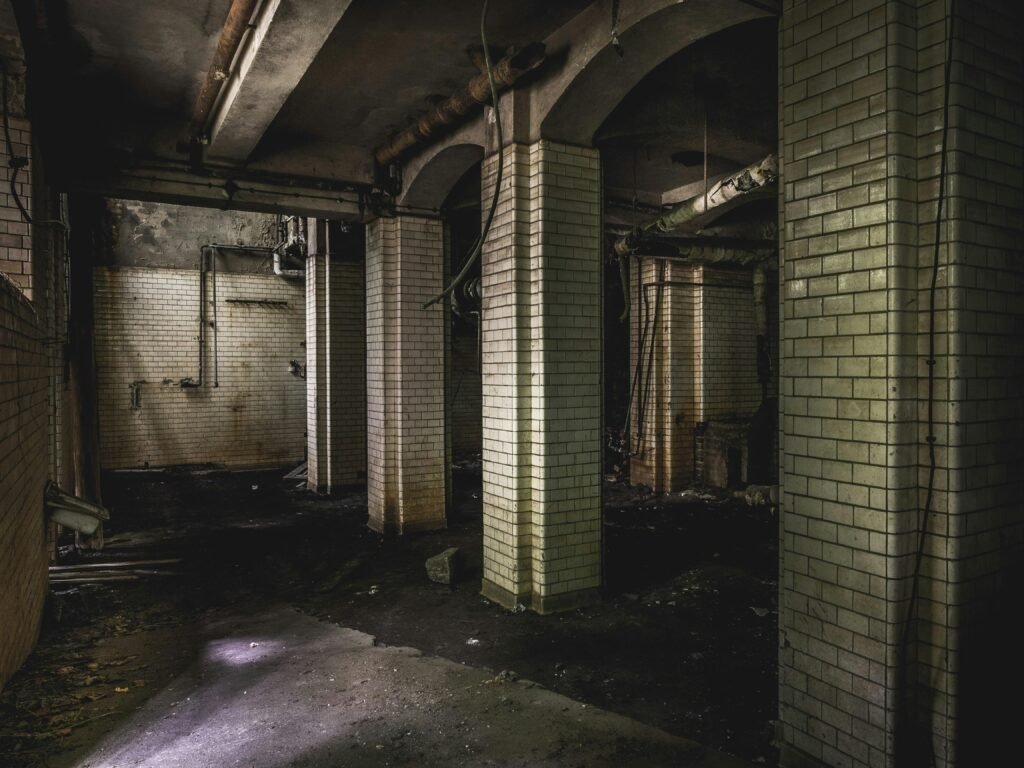
Basement waterproofing is essential to protect your home from water seepage, dampness, and structural damage. Without proper waterproofing, basements are vulnerable to moisture infiltration, leading to mold growth, wall cracks, and foundation weakening.
In this comprehensive basement waterproofing guide, we’ll cover everything you need to know – from identifying water seepage signs to choosing the right waterproofing materials and methods. Whether you’re building a new basement or renovating an existing one, this guide will help you make informed decisions.
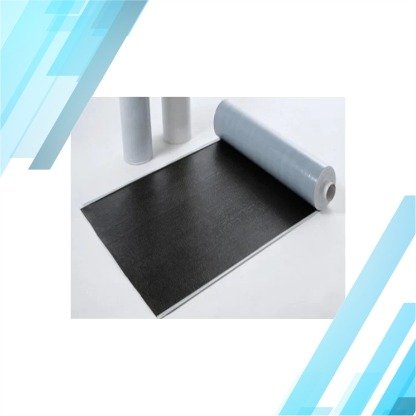
self Adhesives bitumen sheet
1. Why is Basement Waterproofing Important?
Key Points:
- Prevents structural damage to foundation
- Stops mold and mildew growth
- Protects stored items from water damage
- Increases property value
- Improves indoor air quality
- Reduces health risks from dampness
Include:
- Statistics about basement water damage
- Common problems in Indian homes
- Long-term cost savings
2. Signs Your Basement Needs Waterproofing
Warning Signs:
- ✗ Water stains on walls or floor
- ✗ Musty odor or smell of dampness
- ✗ Visible cracks in walls or foundation
- ✗ Efflorescence (white powder on walls)
- ✗ Peeling paint or plaster
- ✗ Standing water or puddles
- ✗ Rust on metal fixtures
- ✗ Mold or mildew growth
- ✗ Increased humidity levels
Add visual cues/symptoms table
3. Types of Basement Waterproofing Methods
A) Internal Waterproofing
- Waterproofing paints and coatings
- Crystalline waterproofing
- Cementitious waterproofing
- Epoxy injection for cracks
Pros & Cons
B) External Waterproofing
- Bitumen-based membranes
- Self-adhesive bitumen sheets
- Liquid applied membranes
- Drainage systems
Pros & Cons
C) Cavity Drain Membrane System
- How it works
- Best applications
- Installation process
Comparison Table:
| Method | Cost | Durability | Best For |
|---|
4. Best Waterproofing Materials for Basements
Recommended Products:
1. Self Adhesive Bitumen Sheets
- Easy peel-and-stick application
- No heating required
- Excellent adhesion to concrete
- Long-lasting protection
- Ideal for basement walls and floors
2. Liquid Waterproofing Membranes
- Flexible coating
- Seamless application
- Good for complex surfaces
3. Crystalline Waterproofing
- Penetrates concrete
- Self-healing properties
- Permanent solution
4. Cementitious Waterproofing
- Easy application
- Cost-effective
- Good for internal surfaces
5. Drainage Mats & French Drains
- Water diversion
- Prevents hydrostatic pressure
Product Comparison Chart
5. Step-by-Step Basement Waterproofing Process
Preparation Phase:
- Inspect basement thoroughly
- Identify water entry points
- Clean and prepare surfaces
- Repair cracks and damages
External Waterproofing:
- Excavate around foundation
- Clean exterior walls
- Apply primer
- Install self adhesive bitumen sheets
- Add drainage board
- Install French drain system
- Backfill properly
Internal Waterproofing:
- Clean interior walls
- Fill cracks with epoxy/sealant
- Apply waterproofing primer
- Apply waterproofing coating (2-3 coats)
- Install sump pump if needed
Include:
- Tools required
- Safety precautions
- Time estimates
6. Common Basement Waterproofing Mistakes to Avoid
❌ Mistakes:
- Ignoring external waterproofing
- Poor surface preparation
- Using wrong materials
- Inadequate drainage system
- DIY for major water problems
- Not addressing root cause
- Skipping professional inspection
- Improper curing time
- Ignoring ventilation
- Cheap quality materials
7. Basement Waterproofing Cost in India
Cost Breakdown:
Internal Waterproofing:
- DIY materials: ₹50-150 per sq.ft
- Professional service: ₹150-300 per sq.ft
External Waterproofing:
- Materials: ₹100-250 per sq.ft
- Professional service: ₹300-600 per sq.ft
Factors Affecting Cost:
- Basement size
- Severity of water problem
- Waterproofing method chosen
- Material quality
- Labor charges in your city
- Accessibility
Sample Cost Table for Different Basement Sizes
8. DIY vs Professional Waterproofing
When to DIY:
- Minor dampness issues
- Small cracks (hairline)
- Preventive maintenance
- Internal coating application
When to Hire Professionals:
- Major water seepage
- Structural cracks
- External waterproofing
- Foundation issues
- Extensive mold growth
Cost-Benefit Analysis
9. Maintenance Tips for Waterproofed Basements
Regular Maintenance:
- ✓ Inspect walls quarterly
- ✓ Check drainage systems
- ✓ Clean gutters regularly
- ✓ Monitor humidity levels
- ✓ Test sump pump monthly
- ✓ Look for new cracks
- ✓ Ensure proper ventilation
- ✓ Keep basement clutter-free
Frequently Asked Questions
Q1: How long does basement waterproofing last?
A: Quality external waterproofing can last 10-15 years, while internal coatings need reapplication every 5-7 years.
Q2: Can I waterproof my basement from inside only?
A: Internal waterproofing helps manage minor dampness but doesn’t stop water at source. External waterproofing is more effective.
Q3: What is the best time to waterproof a basement?
A: Dry season (November to March in India) is ideal for waterproofing work.
Q4: Is basement waterproofing covered by insurance?
A: Generally no, but check your policy. Preventive waterproofing is homeowner’s responsibility.
Q5: Can waterproofing be done in monsoon?
A: External waterproofing should be avoided during monsoon. Internal coating can be done with proper ventilation.
Q6: Which is better – bitumen or polymer waterproofing?
A: Both are effective. Bitumen sheets are durable and easy to install, while polymer membranes offer more flexibility.
Q7: How deep should basement waterproofing go?
A: External waterproofing should extend from foundation footing to ground level.
Q8: Do I need a sump pump for basement?
A: If your basement is below water table or has recurring water issues, a sump pump is recommended.
Conclusion
Basement waterproofing is a crucial investment that protects your home’s foundation and ensures a dry, healthy living environment. By following this comprehensive guide, you can choose the right waterproofing method and materials for your basement. For effective and long-lasting basement waterproofing, consider using quality products like self adhesive bitumen sheets from Ignite Polymers. Whether you opt for DIY or professional installation, proper waterproofing will save you from costly repairs and structural damage in the long run. Don’t wait for water seepage to worsen – take action today to protect your basement and home. For expert advice on basement waterproofing solutions, contact Lock-n-seal.