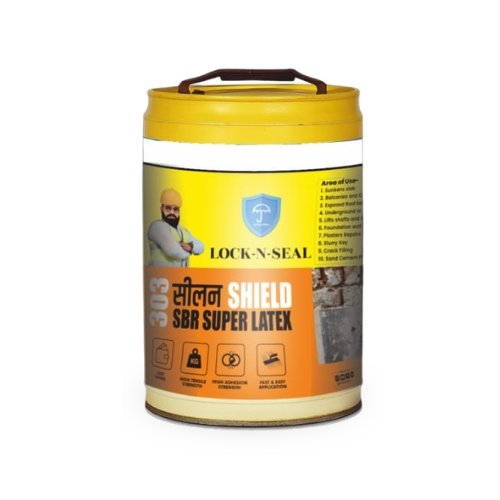
Sealen Shield SBR Latex – A Reliable Waterproofing & Bonding Solution
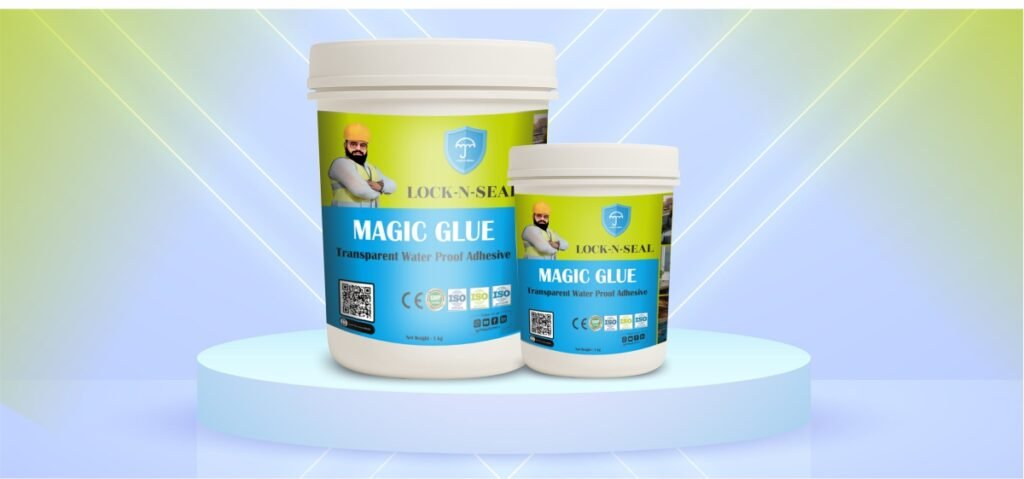
Introduction Water leakage, cracks, and weak plaster are common problems in buildings. To solve these issues, using the right waterproofing and bonding product is very important. Sealen Shield SBR Super Latex is a multipurpose solution designed to improve waterproofing, strengthen concrete, and enhance bonding between old and new surfaces. What is Sealen Shield? Sealen Shield is a SBR (Styrene Butadiene Rubber) based latex liquid used with cement, mortar, and plaster. It improves adhesion, reduces water absorption, and increases the durability of cement-based applications. It is widely used in waterproofing works, repair jobs, and plaster bonding applications. Key Benefits of Sealen Shield Reduces water absorption in concrete and cement Improves bonding strength of plaster and mortar Helps prevent cracks and surface damage Increases flexibility and mechanical strength Enhances durability of cement-based structures Easy to apply and contractor-friendly Areas of Application Sealen Shield can be used in multiple construction and repair works such as: How to Use Sealen Shield Sealen Shield can be used in two ways: It ensures strong adhesion and long-lasting performance. Why Choose Sealen Shield? Multipurpose waterproofing and bonding solution Suitable for residential and commercial projects Improves life of concrete and plaster Cost-effective and reliable performance Ideal for professionals as well as home repairs Conclusion Sealen Shield SBR Super Latex is an effective and reliable solution for waterproofing, bonding, and surface strengthening. Whether it is bathroom waterproofing, roof repair, or plaster bonding, Sealen Shield helps improve performance and durability of construction work. FAQs Q1. What is Sealen Shield used for? Sealen Shield is a SBR Super Latex based waterproofing and bonding agent used with cement, plaster, and concrete to reduce leakage, improve bonding, and increase durability. Q2. Can Sealen Shield be used for waterproofing? Yes, Sealen Shield is ideal for waterproofing bathrooms, sunken slabs, roofs, terraces, and other wet areas. Q3. Is Sealen Shield suitable for plaster bonding? Yes, it improves adhesion between old and new surfaces, making it perfect for plaster bonding and repair works. Q4. Does Sealen Shield help in crack repair? Yes, when mixed with cement or mortar, Sealen Shield helps reduce cracks and strengthens repaired areas. Q5. Can Sealen Shield be mixed with cement? Yes, Sealen Shield is mixed with cement or mortar to enhance waterproofing, flexibility, and strength. Q6. Is Sealen Shield easy to apply? Yes, it is easy to use and contractor-friendly. It can be applied as a bonding coat or mixed with cement-based materials. Q7. Where can Sealen Shield be applied? It can be used in bathrooms, sunken slabs, roofs, terraces, plastering works, concrete repairs, and restoration projects. Q8. Is Sealen Shield suitable for residential and commercial use? Yes, Sealen Shield is suitable for both residential and commercial construction and repair projects. Q9. Does Sealen Shield increase the life of concrete and plaster? Yes, it improves strength, flexibility, and water resistance, which increases the life of concrete and plaster surfaces. Q10. Can Sealen Shield be used with other waterproofing products? Yes, it can be used along with other waterproofing products. For crack sealing before waterproofing, products like Magic Glue can be used for better results.